Popular AI Tools
Explore useful AI tools for design, study, writing and coding.
Explore useful AI tools for design, study, writing and coding.
By Super Admin | April 20, 2026
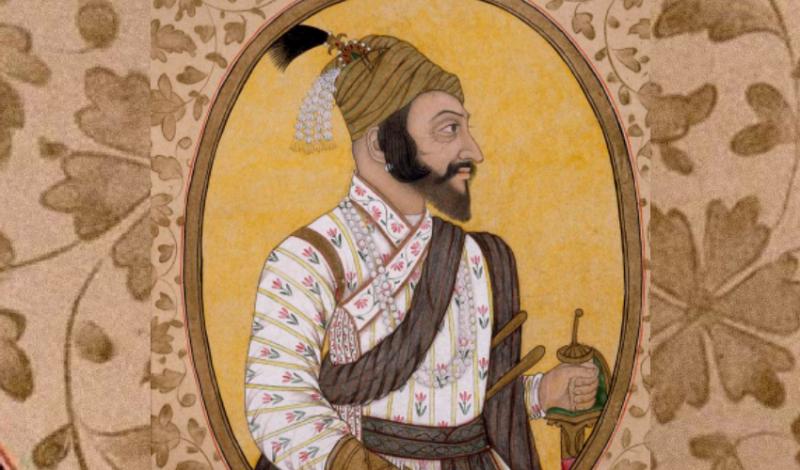
The word Swarajya is often used broadly to mean independence, but for Shivaji Maharaj, it meant much more than freedom from external power.
To Shivaji Maharaj, Swarajya was:
· A state where law served justice, not fear.
· A society where rulers were accountable to the people.
· A system where dignity and human rights were guaranteed.
It wasn't simply about replacing one authority with another — it was about creating an ethical framework where people could thrive.
Fair Taxation and Protection of Farmers
In an era when tyrannical extraction was the norm, Shivaji Maharaj introduced taxation reforms:
· Land revenue was proportional to productivity — the poor were not overburdened.
· During droughts or crop failure, taxes were reduced or postponed.
· Farmers were treated with dignity rather than exploited.
This built trust between the ruler and the ruled — something rare in the 17th century.
Decentralized and Responsible Governance
To avoid concentration of power, Shivaji Maharaj formed the Ashta Pradhan — an eight‑minister council, each with specific duties:
· Peshwa: Prime Minister
· Amatya: Finance and accounts
· Sachiv: Secretary
· Sumant: Foreign affairs
· Senapati: Commander‑in‑chief
· Others in charge of justice, internal security, and state intelligence
This council ensured that decisions were balanced, accountable, and not arbitrary.
Shivaji Maharaj lived in a world deeply divided by caste, religion, and hierarchy. Yet he made deliberate choices to dismantle barriers that divided people.
One of Shivaji Maharaj’s most remarkable reforms was appointing people based on talent and loyalty — not caste or birthright.
· Soldiers and commanders came from a range of backgrounds — Brahmins, Marathas, Dalits, Muslims, and others.
· Competent administrators, irrespective of caste, were given key roles.
· This broke the orthodoxy of hereditary privilege, focusing instead on capability and responsibility.
Though a devout Hindu, Shivaji Maharaj was not sectarian.
· Temples, mosques, and other places of worship were respected and protected.
· Religious texts and traditions were honored without discrimination.
· Military alliances and administrative appointments included people of diverse faiths.
This was not tokenism — it was purposeful inclusivity.